Mobile game monetization refers to how developers earn money from their games. The five main strategies are. Another way to earn money from a game is by creating mods or cheats for it, such as DayZ cheats.
Choosing a monetization strategy early is crucial, as it will influence the game’s design and user experience.
In-app purchases
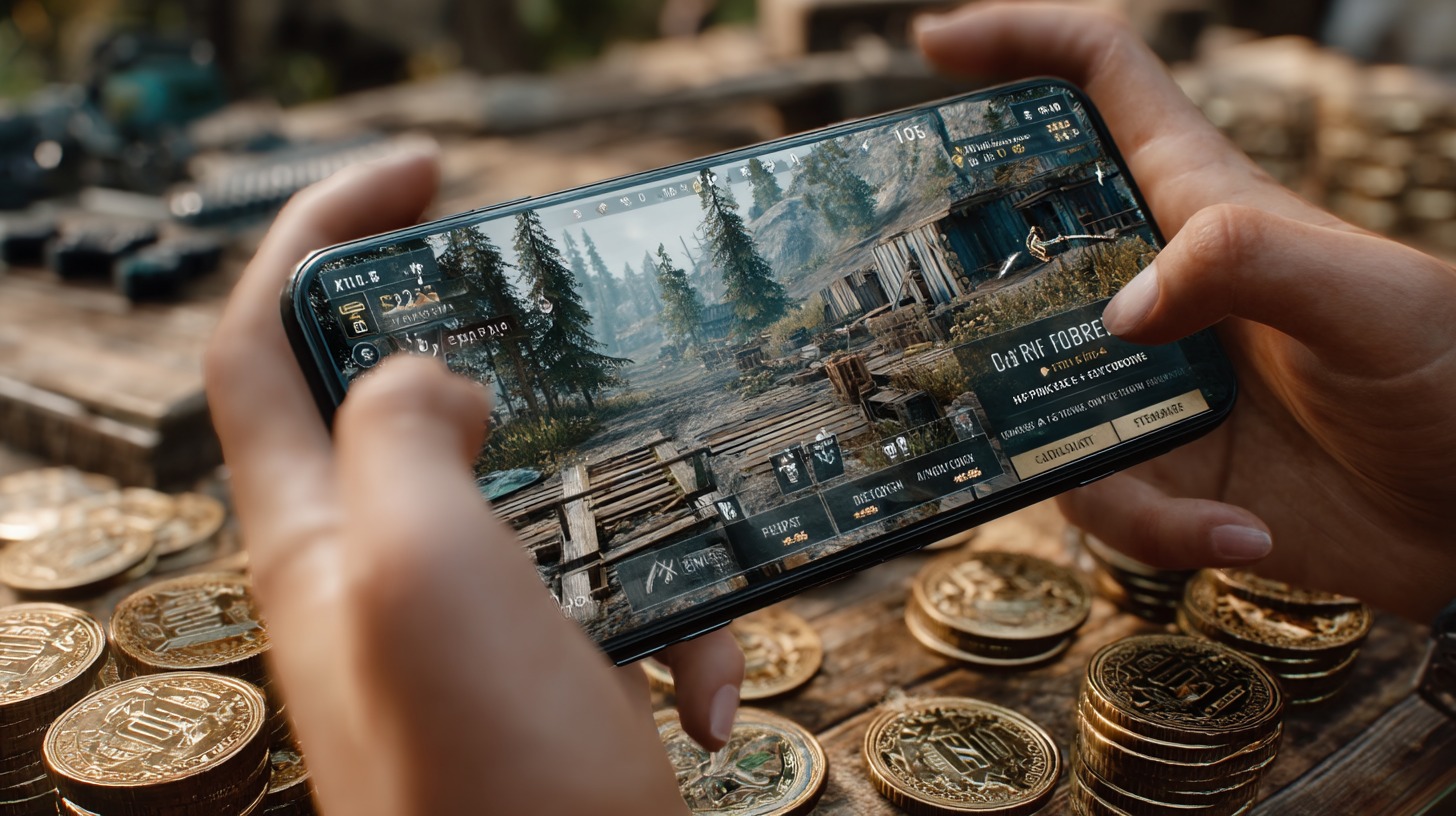
In-app purchases (IAPs), or microtransactions, let users make payments within a game after downloading it. This model allows developers to offer a game for free, attract a larger user base, and then monetize engaged players. Types of in-app purchases:
Consumables
Consumables are one-time-use products that must be repurchased, such as in-game currencies or boosters.
Non-consumables
Non-consumables are purchased once and remain permanently available. Examples include premium content, level unlocks, or additional characters.
Auto-renewal subscriptions
These involve recurring payments for services, much like Netflix or Spotify, ensuring a steady income stream.
Non-auto-renewal subscriptions
These run for a fixed period and require manual renewal, such as access to specific sporting events.
In-app advertising
In-app advertising displays ads within a mobile app, allowing developers to monetize by selling ad space. This method is free for players, as advertisers pay for views or actions. Success depends on showing the right ad at the right time without disrupting gameplay.
Common ad formats include:
Banner ads
These are small static or dynamic ads shown at the top or bottom of the screen, ideal for brand awareness.
Native ads
Native ads blend in with the game’s design for a non-disruptive, integrated feel.
Interstitial ads
These are full-screen ads that appear between game levels or during natural pauses. They offer high engagement but can be annoying if overused.
Offerwall
An offerwall presents users with a list of tasks, like completing surveys, in exchange for in-game rewards.
Playable ads
These offer a short, interactive preview of another game, letting users try it before installing.
Paid games
Paid games require a one-time, upfront payment for the full game, with no ads or in-app purchases. This model appeals to gamers who prefer a single payment for an uninterrupted experience. While less common than freemium models, it can be profitable if the audience values a complete, upfront purchase. Additionally, many players purchase third-party enhancements or cheats to improve their gameplay experience, for example, from sites like https://wh-satano.ru/en/cheats/dayz.
Subscriptions
In gaming, subscriptions offer players ongoing access to exclusive content for a regular fee.
Types of subscriptions:
- Battle pass: Players buy a pass to earn rewards through gameplay over a set period. Both free and paid versions are often available.
- “Remove Ads” subscription: Heavily ad-supported games may offer a paid option to remove them.
- VIP subscription: Subscribers get exclusive benefits like daily rewards and ad removal for a set duration.
Hybrid model
The hybrid model combines multiple monetization strategies to maximize revenue from different player segments. Typically, one method is the primary revenue stream, while others are complementary.
How to combine monetization models:
- In-app purchases + In-app ads: IAPs are the main focus, supplemented by optional rewarded videos for non-paying players.
- In-app purchases + Subscriptions: This model targets paying players, using IAPs for gameplay enhancement and subscriptions for ongoing value.
- In-app purchases + In-app ads + Subscriptions: This comprehensive approach targets all player types. IAPs are primary, with ads and subscriptions as secondary streams, requiring careful balance.
Understanding user behavior is key to tailoring a hybrid model that works for a broad range of players.